
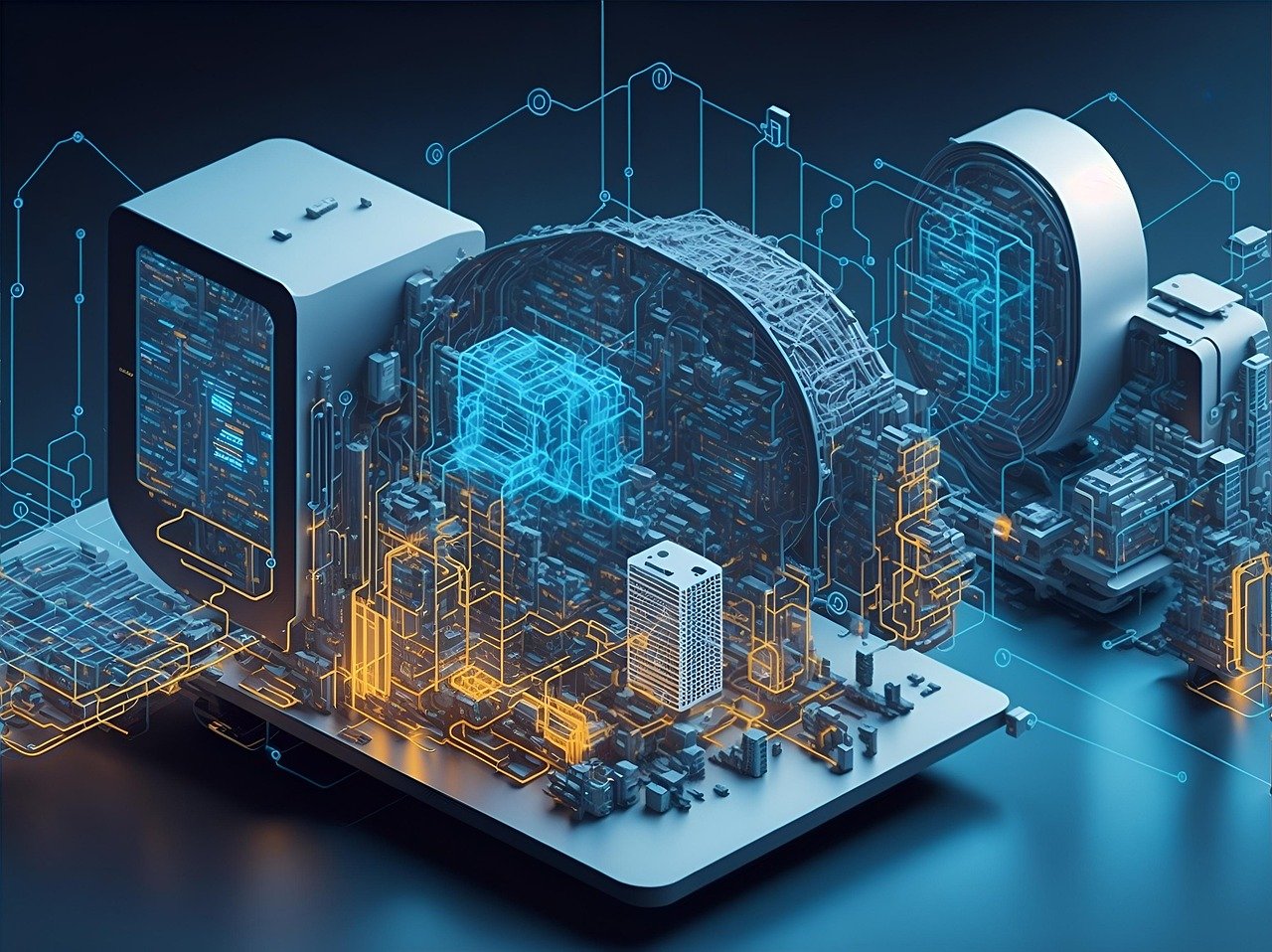
The Internet of Things (IoT) refers to the network of physical devices connected to the internet that can collect, share, and process data. These devices include everyday objects such as smartphones, home appliances, cars, medical equipment, and even industrial machines. By communicating with each other, these devices create smarter and more efficient systems in homes, businesses, and public sectors.
How IoT Works
IoT devices are embedded with sensors, software, and communication technologies. These devices gather information from their surroundings and send it to cloud servers or other connected systems. The data is then analyzed, which allows the device to make decisions or perform actions automatically. For example, a smart thermostat adjusts the temperature based on your daily routine.
Examples of IoT Devices
- Smart Home Devices: Such as smart lights, smart door locks, and voice assistants.
- Wearables: Fitness trackers and smartwatches that monitor health and activity.
- Smart Cars: Vehicles connected to navigation systems and safety controls.
- Smart Cities: Traffic lights, waste management systems, and public security systems.
- Healthcare Devices: Remote patient monitoring and smart medical equipment.
These devices improve convenience, safety, and efficiency in daily life.
Applications of IoT
IoT technology is used in a wide range of fields:
- Home Automation: Allows users to control home appliances from their smartphones.
- Healthcare: Enables doctors to monitor patients remotely and collect health data in real time.
- Agriculture: Farmers use IoT sensors to monitor soil quality, weather conditions, and crop growth.
- Transportation: IoT helps manage traffic, fleet monitoring, and route optimization.
- Industry: Smart factories use IoT devices for inventory tracking, machine maintenance, and improving production efficiency.
Benefits of IoT
- Enhances convenience and automation
- Improves operational efficiency
- Reduces human effort and error
- Allows remote monitoring and control
- Supports data-driven decision-making
Challenges and Concerns
While IoT offers many advantages, there are risks and limitations:
- Security Risks: Connected devices can be targeted by hackers.
- Privacy Concerns: Devices collect personal data that must be protected.
- Complexity: Managing large networks of devices can be difficult.
- High Implementation Costs: Setting up and maintaining IoT systems may require investment.
Addressing these challenges is essential to ensure safe and reliable IoT systems.
The Future of IoT
IoT is expected to continue expanding rapidly. With advancements in artificial intelligence, 5G networks, and cloud computing, IoT devices will become faster, smarter, and more integrated into everyday life. Future smart cities, automated industries, and personalized healthcare systems will rely heavily on IoT technology.